
Common Winter Lawn Care Myths: Separating Fact from Fiction
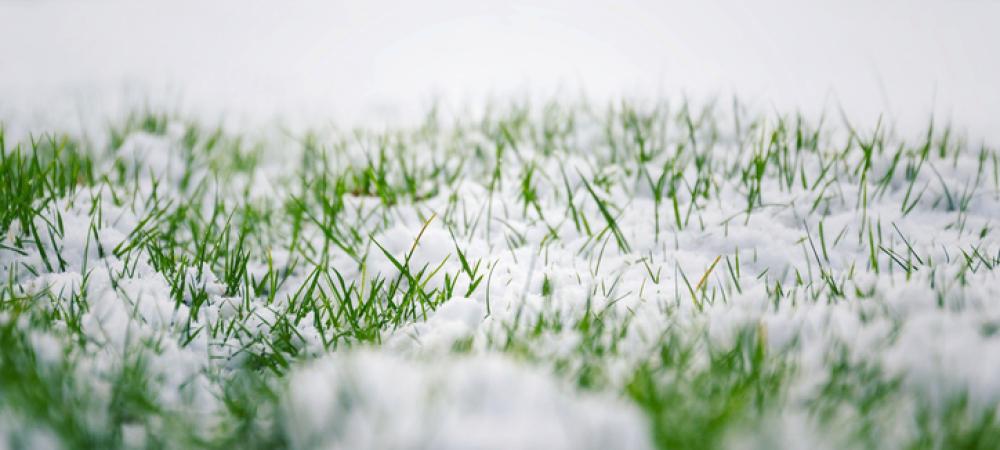
Winter can be tough on lawns, and with so many opinions floating around, it’s easy for myths to take root. Believing the wrong advice can stress your grass, slow recovery in spring, or even cause long-term damage. Here are some common winter lawn myths—and what the truth really is.
Myth 1: Grass Doesn’t Need Care in Winter
False! While lawns enter dormancy in winter, they still require some care. Limiting foot traffic, preventing soil compaction, and protecting grass from excessive snow and ice can make a big difference in how healthy your lawn is when spring arrives. Completely ignoring your lawn can lead to more work in early spring.
Myth 2: Snow Completely Protects Your Grass
False! A light snow layer can act as insulation, but heavy snow or ice accumulation can crush blades, compact soil, and encourage fungal growth such as snow mold. Managing snow with gentle removal and avoiding piles directly on grass is important to prevent winter stress.
Myth 3: You Should Stop All Lawn Maintenance
False! Some winter-specific maintenance, like late-fall aeration or fertilization, actually strengthens your lawn’s roots before cold weather. Avoiding all care can leave your grass vulnerable to stress, compaction, and disease once snow and ice arrive.
Myth 4: Salt and Ice Melt Are Harmless
False! Common salt-based deicers can damage grass and soil. Opt for pet-safe ice melt alternatives, sand, or kitty litter around lawns, and use them sparingly. Excess chemicals can lead to brown patches and stressed roots in spring.
Myth 5: Mowing Is Never Needed in Winter
False! While you generally don’t mow dormant grass, it’s important to give a final fall mowing before winter arrives. Leaving grass too long can create mats under snow that encourage fungal growth, while excessively short mowing can expose roots to harsh temperatures. Proper fall mowing sets your lawn up for winter success.
Myth 6: Winter Lawn Problems Will Fix Themselves in Spring
False! Waiting to address winter stress can make recovery slower and harder. Compacted soil, damaged blades, or snow mold patches need early intervention—like dethatching, raking, or overseeding—once conditions allow. Proactive care ensures a faster, healthier spring recovery.
Conclusion
Winter lawn myths are common, but believing them can stress your lawn and make spring recovery more challenging. By separating fact from fiction, you can protect your grass, minimize winter damage, and set the stage for a lush yard. Learn more about guidance on winter lawn care by Naturally Green Lawn Care's lawn care professionals.