
Snow and Ice Damage: Protecting Your Connecticut Lawn from Winter Stress
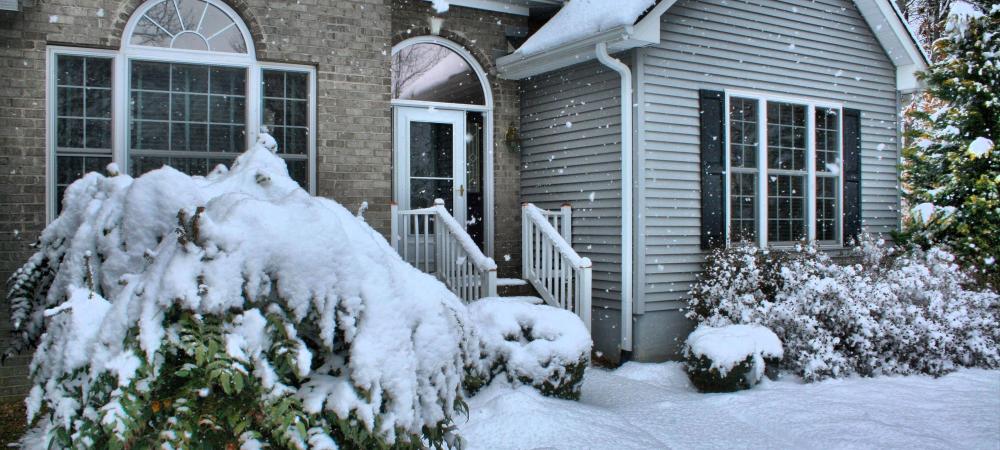
Winter in Connecticut brings snow, ice, and freezing temperatures that can take a toll on your lawn. From frost damage to soil compaction, the cold months can leave your grass stressed and vulnerable. But with some simple strategies, you can protect your lawn and ensure it comes back healthy in the spring.
How Does Snow and Ice Affect Your Lawn?
Snow and ice act as both a shield and a stressor for grass. A light layer of snow can insulate grass from extreme cold, while heavy snow or ice accumulation can crush blades and compact the soil. Additionally, ice can trap moisture and create a breeding ground for snow mold, a fungal disease that appears as unsightly patches in early spring
Tips to Protect Your Connecticut Lawn This Winter
Limit Foot Traffic
Walking on frozen or snow-covered grass can crush blades and compact the soil underneath, making it harder for roots to breathe and absorb nutrients. Even light activity, like playing with pets or kids, can cause long-term damage. Whenever possible, stick to designated pathways, use snow-cleared sidewalks, or consider laying down temporary walkways with boards or mats over sensitive areas.
Proper Snow Removal
Heavy snow accumulation can smother grass and create uneven surfaces, while ice buildup can suffocate roots. Avoid using metal shovels or ice scrapers directly on the lawn, as they can cut into the grass and damage the soil. Instead, gently shovel snow from walkways and driveways and try to leave a thin insulating layer over your lawn, which actually protects grass from extreme cold.
Deicing Chemicals
Many traditional salt-based deicers are harmful to grass and soil, causing browning and nutrient loss. To protect your lawn, use alternatives like sand, kitty litter, or pet-safe ice melt products. Apply them sparingly near lawns and landscaping areas and always sweep excess away once ice has melted. This prevents chemical buildup that can stress grass and slow spring recovery.
Prevent Snow Mold
Snow mold is a fungal disease that develops under prolonged snow cover. To reduce risk, clear snow from areas that naturally accumulate, such as near roof overhangs, fences, and garden beds. Avoid piling snow directly on grass, and if possible, break up thick ice layers with a gentle rake to improve air circulation. Early prevention now saves significant recovery work in spring.
Winter Lawn Care Prep
Preparing your lawn before winter begins strengthens roots and improves resilience. Professional aeration in late fall reduces soil compaction and allows oxygen, water, and nutrients to reach roots more effectively. Applying a winter-specific fertilizer helps the grass store energy for spring growth.
Signs Your Lawn Needs Attention After Winter
Once the snow melts, you’ll want to check your lawn for stress indicators so you can intervene early:
- Patches of brown or yellow grass: Often caused by frost or ice damage.
- Areas of soil compaction: Appears as hard, uneven ground that water struggles to penetrate.
- Signs of fungal disease like snow mold: Look for gray or white circular patches on the lawn.
Early action can dramatically improve recovery. Raking dead blades, dethatching, or overseeding affected areas can help restore the lawn’s health and prepare it for spring growth.
Winter stress is a natural challenge for Connecticut lawns, but understanding how snow and ice affect your grass—and taking preventive steps—can make a big difference. By limiting foot traffic, using safe snow and ice management methods, and preparing your lawn for winter, you can ensure a greener, healthier yard come spring. For expert guidance or post-winter help, reach out to Naturally Green Lawn Care today.