Common Lawn Problems for Connecticut HOA Communities
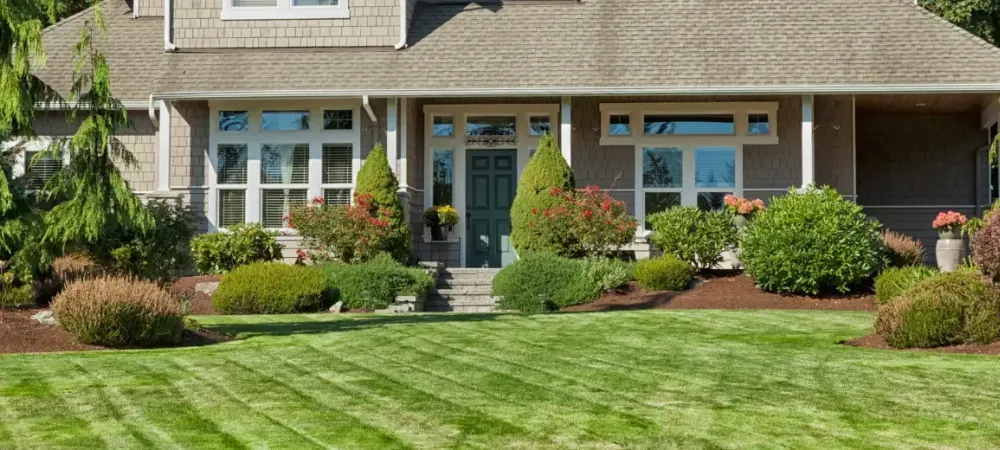
Maintaining attractive, healthy turf across an HOA community can be challenging. Unlike a single residential property, homeowner associations often manage multiple acres of landscape that experience varying soil conditions, irrigation coverage, sunlight exposure, and foot traffic levels.
Understanding the most common lawn problems affecting Connecticut HOA communities can help boards, property managers, and residents make informed decisions about landscape maintenance.
Soil Compaction from Heavy Foot Traffic
One of the most common challenges for HOA properties is soil compaction.
Community green spaces, walking paths, playground areas, and shared recreational spaces often experience significantly more foot traffic than traditional residential lawns. Over time, repeated use compresses the soil, making it difficult for air, water, and nutrients to reach the root zone.
Signs of compaction may include:
- Thin grass growth
- Standing water after rain
- Increased weed activity
- Bare or worn areas
Aeration is often used to help relieve compaction and improve overall soil health.
Weed Infestations
Weeds can quickly become noticeable across larger HOA properties.
When turf becomes thin or stressed, opportunistic weeds may establish themselves in open areas. Some of the most common weeds found in Connecticut include:
- Crabgrass
- Dandelions
- Clover
- Plantain
- Nutsedge
Because HOA communities often contain large landscape areas, early prevention and consistent management are typically more effective than attempting to address widespread infestations after they develop.
Uneven Turf Growth
Not every section of an HOA property receives the same environmental conditions.
Some areas may receive full sun throughout the day, while others remain heavily shaded by buildings or mature trees. Variations in sunlight, drainage, and soil composition can create inconsistent turf performance across the community.
Common symptoms include:
- Thin grass in shaded locations
- Dry spots in sunny areas
- Uneven color throughout the property
- Differences in growth rates
Addressing site-specific challenges often requires a tailored maintenance approach rather than a one-size-fits-all solution.
Lawn Disease Issues
Connecticut's combination of humidity and seasonal rainfall can contribute to turf disease development.
Diseases may become more prevalent when grass is stressed by environmental conditions or improper maintenance practices.
Some common turf diseases include:
Brown Patch
Brown patch often develops during periods of warm, humid weather and can spread rapidly under favorable conditions.
Dollar Spot
Dollar spot appears as small straw-colored spots that may merge into larger affected areas.
Red Thread
Red thread frequently appears during periods of slow growth and can create patches of discolored turf.
Routine monitoring can help identify potential disease issues before they become widespread.
Drought and Heat Stress
Although Connecticut generally receives adequate annual rainfall, summer weather can still place significant stress on community lawns.
Large HOA properties may have varying irrigation coverage, leading to inconsistent moisture levels across different sections of the landscape.
Heat stress can contribute to:
- Browning turf
- Thinning grass
- Reduced growth
- Increased weed pressure
Maintaining healthy root systems and proper irrigation practices can help improve resilience during dry conditions.
Poor Drainage Problems
Some HOA communities contain low-lying areas where water tends to collect after rainfall.
Poor drainage can create several challenges, including:
- Soil compaction
- Turf decline
- Increased disease pressure
- Mosquito breeding areas
- Muddy conditions
Identifying drainage issues early can help prevent long-term damage to the landscape.
Pest Activity
Various lawn pests can affect Connecticut HOA properties.
Depending on the location and conditions, communities may experience issues with:
- Grubs
- Chinch bugs
- Surface-feeding insects
- Burrowing animals
Regular inspections can help identify pest activity before significant turf damage occurs.
Creating Healthier HOA Landscapes
Successfully managing HOA lawns requires ongoing attention to soil health, turf density, irrigation, mowing practices, and seasonal maintenance needs. Because community landscapes often face unique challenges, proactive lawn care strategies can help improve appearance, functionality, and long-term turf performance.
If your HOA community needs guidance on maintaining healthy lawns throughout the year, contact Naturally Green Lawn Care to learn more about professional lawn care services.